Beijing/Washington, July 3:
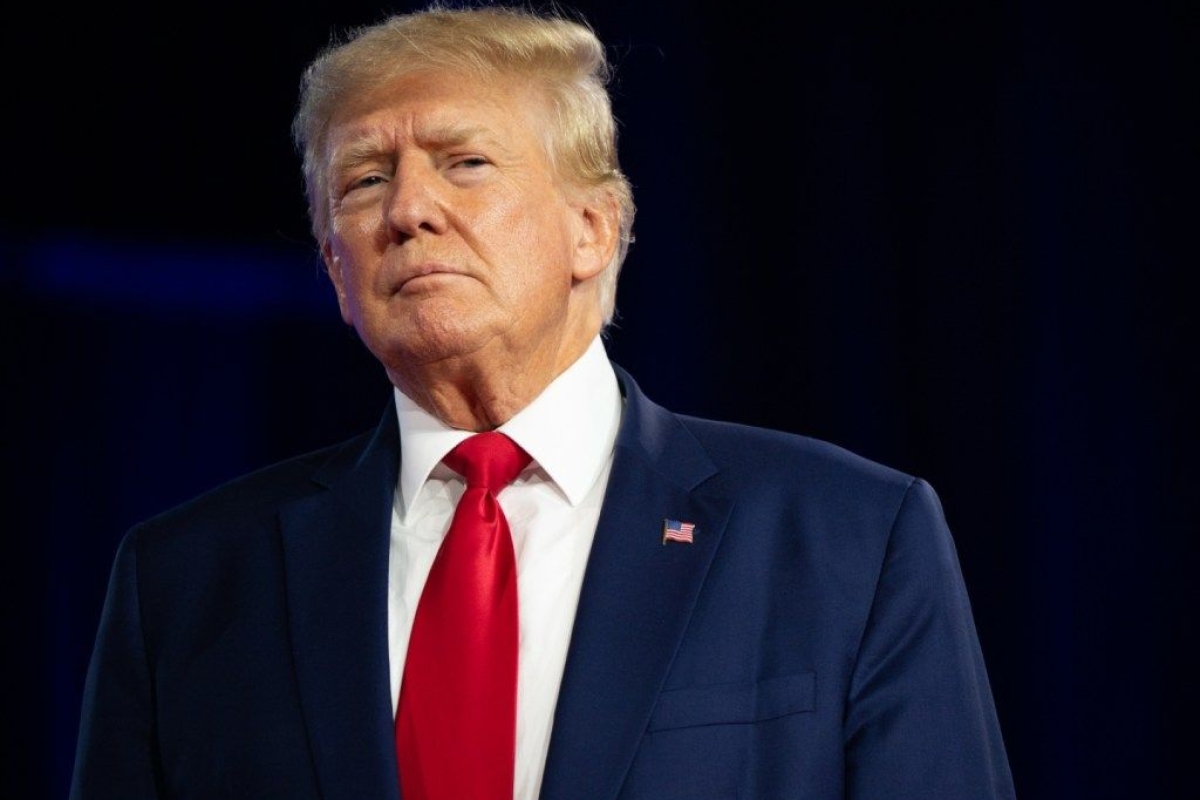
The escalating feud between tech billionaire Elon Musk and former U.S. President Donald Trump has taken a new turn, with Musk threatening to launch a new political outfit—the America Party—in response to Trump's newly passed tax and spending legislation. The development has garnered widespread support on Chinese social media, where Musk remains a popular figure.
The clash began after Musk described Trump’s sweeping tax and spending bill, dubbed the “One Big Beautiful Bill,” as a “disgusting abomination.” The bill, passed by the U.S. Senate this week, is projected to add $3.3 trillion to the national debt, a move Musk has sharply criticized.
Following the bill’s approval, Musk hinted at forming a new political entity if it were to pass—a vow he now appears ready to fulfill.
The hashtag #MuskWantsToBuildAnAmericaParty trended on Weibo, China’s largest social media platform, amassing over 37 million views within hours of the bill’s passage.
Comments pouring in on the platform reflected overwhelming support for the Tesla CEO:
“Brother Musk, you’ve got over a billion people on our side backing you,” wrote one user.
“If Elon Musk were to found a political party, his tech-driven mindset could inject fresh energy into politics,” added another.
This groundswell of support stems from Musk’s positive image in China, bolstered by Tesla’s strong presence in the country. Notably, Tesla is the only major Western carmaker to compete head-on with China’s domestic EV brands.
Musk’s close relationship with Chinese Premier Li Qiang and the popularity of his mother, Maye Musk, in Chinese media have further solidified his standing among Chinese citizens. Biographies of Musk and Steve Jobs by Walter Isaacson are also bestsellers in China, underscoring the fascination with Western tech leaders.
In contrast, Donald Trump is widely unpopular in China, largely due to his administration’s aggressive trade policies and tariffs aimed at curbing Chinese economic influence. This contrast in perception adds a geopolitical undertone to the public support Musk is receiving.
Trump, reacting on his platform Truth Social, dismissed Musk’s criticism, writing that without government subsidies, “he would have to close up shop and head back home to South Africa.”
Musk swiftly hit back, posting on X (formerly Twitter):
“I am literally saying CUT IT ALL. Now.”
The statement signals Musk’s defiance and willingness to operate without federal subsidies, further fueling his positioning as a political outsider.
Musk has yet to formally register the America Party, but with public backing abroad and rising tensions with political figures at home, the possibility of him entering U.S. politics in a significant way no longer seems far-fetched.
With growing online momentum and global attention, Musk’s political ambitions could mark a major shift in how business leaders engage with politics—potentially setting the stage for an unconventional new player in American governance.